

How to Prepare for Vinyl Siding Installation
Replacing your home’s siding is an exciting way to refresh its exterior, but good preparation can make the project easier for everyone involved. Knowing how to prepare for vinyl siding installation can help you protect your belongings, give the installation crew clear access, and reduce unnecessary disruptions.
As a homeowner, you do not need to handle the installation yourself. Your siding contractor will take care of the technical work. Your role is to prepare the property and make sure the team can work safely and efficiently.
From moving outdoor furniture to protecting landscaping and planning for children and pets, several simple steps can help you get ready. This guide explains what to do before the crew arrives, what questions to ask your contractor, and what you can expect during the installation process.
What Happens Before Vinyl Siding Installation?
Before installation begins, your contractor should review the project and confirm important details such as the exterior areas being replaced, materials, installation schedule, and any preparation or removal work.
This is a good time for homeowners to ask questions. Make sure you understand what areas of the home are included and whether the contractor will remove and dispose of the existing siding.
You should also discuss any exterior features that could affect the work. These may include outdoor lighting, security cameras, satellite equipment, hose reels, decorations, or other fixtures attached to the siding.
A clear understanding of the project before work starts can prevent confusion later.
Clear the Area Around Your Home
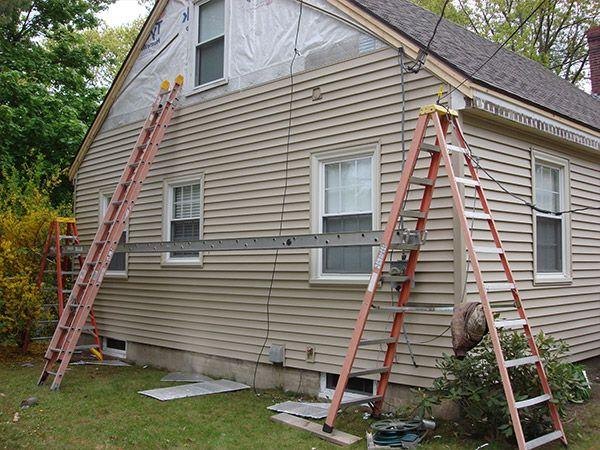
One of the simplest ways to prepare is to clear the work area around the house. Vinyl siding installation requires the crew to work close to the exterior walls, so removing unnecessary obstacles can make access easier.
Move outdoor furniture, children’s toys, gardening tools, decorations, and other portable items away from the walls.
You do not necessarily need to move everything across the property. The goal is to create enough space for the installation crew to work safely around the home’s exterior.
Check Around Windows and Doors
Pay particular attention to areas around windows and doors. These locations often require additional finishing and trim work, so keeping them accessible is important.
If you have furniture or decorations directly outside these areas, move them before the installation crew arrives.
Protect Landscaping and Outdoor Items
Your landscaping is an important part of your property, so discuss protection measures with your siding contractor before work begins.
Installation may involve ladders, tools, materials, and movement around the exterior. Plants, shrubs, flower beds, and other landscaping features near the walls may need attention during the project.
What Can Homeowners Do?
You can help by:
- Moving portable planters and decorations.
- Clearing garden tools from work areas.
- Identifying delicate plants near the walls.
- Discussing landscaping concerns with the contractor.
- Keeping pathways clear.
Do not assume that every landscaping issue will be obvious to the installation team. If there is a particular plant or feature you want protected, point it out before work starts.
A short conversation before installation can help everyone understand what matters to you.
Prepare Interior Walls and Shelves
Vinyl siding is installed on the outside of your home, so homeowners sometimes wonder whether they need to prepare the interior.
In many cases, extensive interior preparation is unnecessary. However, siding replacement can involve normal construction activity, including movement, drilling, and other work around exterior walls.
If you have delicate items hanging on walls near the exterior, consider moving them temporarily. You may also want to secure fragile decorations or objects on nearby shelves.
This is particularly worth considering if the home has older construction or if the project involves significant preparation behind the existing siding.
Ask your contractor whether there are any specific areas of your home’s interior that need attention before the project begins.
Make Sure Contractors Have Access
Clear access is essential for a smooth vinyl siding installation. Your contractor may need to move materials and equipment around the property throughout the project.
Make sure gates can be opened and pathways are accessible. If there are locked gates or other access restrictions, provide the necessary arrangements before the scheduled start date.
Think About Parking and Deliveries
Your contractor may need space for vehicles, tools, and materials. Ask where materials will be delivered and whether any temporary parking arrangements are necessary.
If you live in a neighborhood with specific parking restrictions, communicate these details in advance.
Good access planning can reduce delays and make it easier for the crew to move safely around your property.
Plan for Children and Pets
A siding project can create a busy environment around your home. There may be tools, ladders, materials, vehicles, and areas that are temporarily unsuitable for children or pets.
For safety, keep children away from active work areas. Pets should also be kept indoors or in another secure area away from the installation zone.
Create a Safe Routine
If your dog normally spends time in the backyard, consider where it will stay while the crew is working.
The same applies to children who normally play outside. Establishing these arrangements before installation starts can help prevent accidents and reduce stress during the project.
Your siding contractor can explain which areas will be active during installation so you can plan accordingly.
Ask About Old Siding Removal
If your home already has siding, ask your contractor whether the existing material will be removed before the new siding is installed.
Removal can affect the project’s schedule, preparation requirements, and overall scope. It can also reveal conditions beneath the old siding that were not visible beforehand.
Questions to Ask
Before work begins, ask:
- Will the existing siding be removed?
- Is removal included in the estimate?
- How will old materials be disposed of?
- Will the exterior wall be inspected afterward?
- What happens if repairs are needed?
Understanding these details before installation begins can help you avoid surprises.
Discuss Utilities and Exterior Fixtures
Homes often have fixtures attached to their exterior walls. These may include exterior lights, electrical equipment, cameras, satellite dishes, address signs, hose fixtures, or other items.
Some may need to be temporarily removed or adjusted before the new siding is installed.
Make a list of fixtures you know are attached to the siding and discuss them with your siding contractor.
Do not remove electrical or other potentially hazardous fixtures yourself unless they are designed for safe homeowner removal. Your contractor can tell you what needs to be handled by an appropriate professional.
This is also a good time to mention any future exterior upgrades you are considering. If you plan to replace windows or doors, coordinating the projects may be worth discussing.
Questions to Ask Your Installer Before Work Begins
A good conversation with your contractor can make the installation process much easier.
Consider asking:
When will the project start?
Confirm the expected installation schedule and whether weather or other conditions could affect the timing.
How long should the work take?
The timeframe can vary based on home size, existing siding, preparation, design, and other factors.
What preparation is included?
Ask whether the contractor handles existing siding removal, surface preparation, and disposal.
What should I move?
Find out whether outdoor furniture, decorations, planters, or other items need to be moved before the crew arrives.
How will the property be protected?
Discuss how landscaping and other exterior areas will be handled during installation.
What happens if damage is discovered?
Ask what happens if the contractor finds an issue behind the existing siding that requires additional work.
Getting answers before work begins helps establish realistic expectations.
What to Expect During Installation
Once preparation is complete, the installation crew can begin the project according to the agreed plan.
The process may include removing existing materials, preparing the exterior, installing appropriate supporting components, and attaching the new vinyl siding. Trim and finishing details are also addressed around areas such as windows, doors, corners, soffits, and fascia.
You can expect some normal construction activity during the project. There may be noise, movement around the property, material deliveries, and temporary changes to access.
The amount of disruption depends on the size and complexity of the home.
Stay Available for Questions
Although you do not need to supervise every part of the installation, remaining available for important questions can be helpful.
If the crew discovers an unexpected condition or needs clarification about a particular feature, having a homeowner or designated contact available can help keep the project moving.
Need Vinyl Siding Installation in Florence?
Knowing how to prepare for vinyl siding installation can help you approach your home improvement project with greater confidence. Clearing work areas, protecting landscaping, planning for children and pets, arranging access, and discussing existing siding and exterior fixtures are all useful steps.
The technical installation should be handled by an experienced professional. Your job as a homeowner is mainly to prepare the property, communicate your expectations, and understand what will happen during the project.
Pee Dee Window and Door Solutions has served local homeowners since 1993, providing vinyl siding, vinyl window replacement, and door installation services. With more than 30 years of experience, we focus on quality craftsmanship and personal service.
If you’re planning a siding project in Florence, SC, request a vinyl siding estimate to discuss your home and project requirements.